Yemen Basheer Al-Samei
Real impact is not measured by the number of activities, but by the meaningful change you bring to peoples' lives.
Growing up in Taizz, Yemen – once a cultural capital, now scarred by conflict – Basheer Abdullbari Saad Ahmed Al-Samei has dedicated his life to protecting children. Today, he works in Marib, a region bordering active conflict zones, where every day he faces new challenges with opportunities to make a difference.
Building a humanitarian career
After earning his bachelor’s degree in social work from Sanaa University, Basheer began working as an Education Social Worker in 2018, before joining the Social Affairs and Labour Office in 2020. His focus on child protection deepened through successive roles: managing child protection cases in Marib, serving as a Child Protection Social Worker and later Activity Coordinator with a medical organisation, and now as a Child Protection Assistant.
“I joined humanitarian work out of ethical and humanitarian commitment,” shared Basheer, “believing in every person’s right to life and dignity – especially children affected by conflict. Through my studies in social work and my experience in child protection, I found this field to be a true extension of my values.”
Protecting vulnerable children
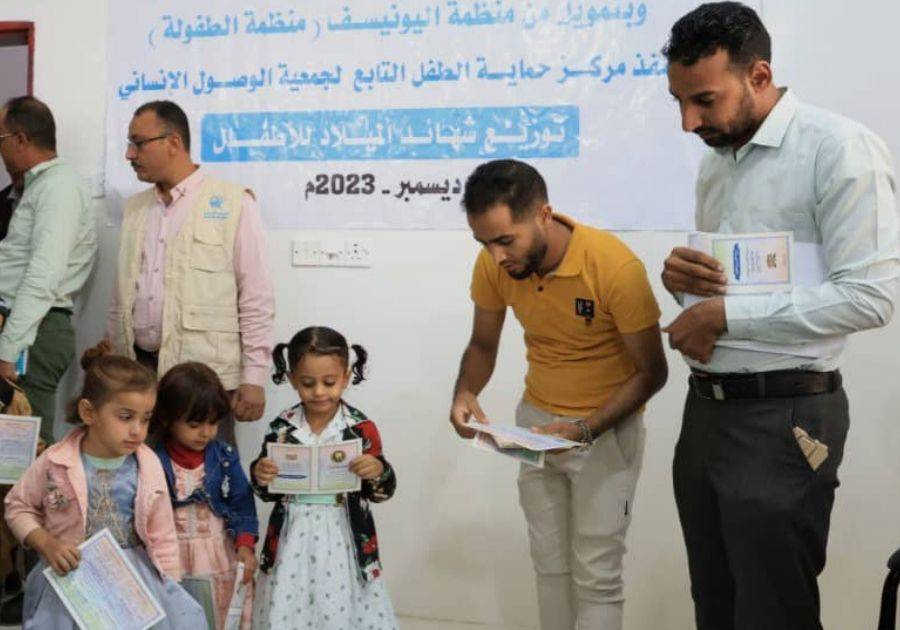
Basheer’s work as a Child Protection Assistant in humanitarian settings requires a comprehensive approach to protect children from all forms of violence and exploitation. He explains: “My daily responsibilities include case follow-ups in coordination with social workers and providing technical support to implementing partners to ensure effective, standards-based child protection programming.
I also offer technical advice to resolve issues related to child protection programming and support partners implementing livelihood activities for women and girls affected by gender-based violence.”
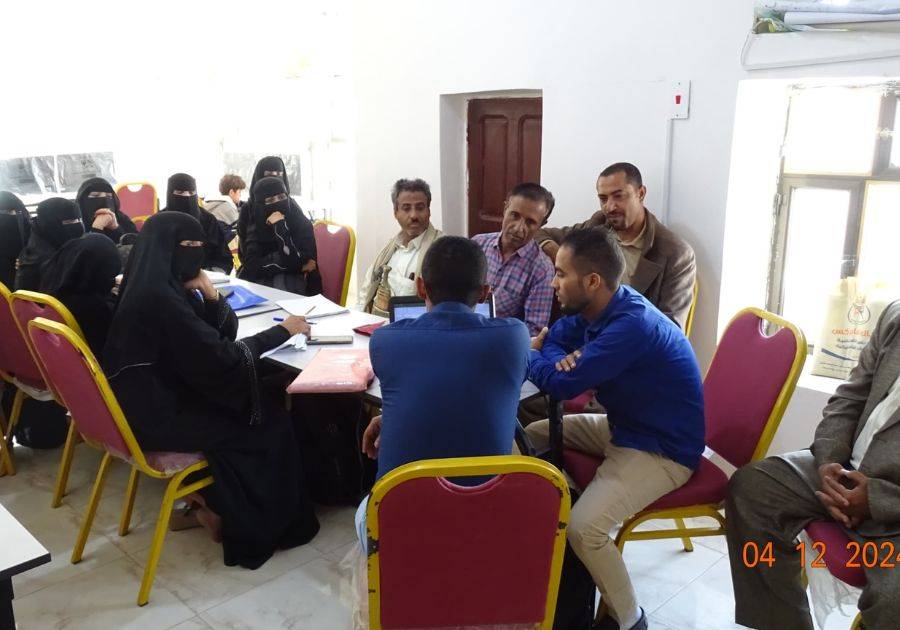
A typical day in the field for Basheer begins with preparing the visit plan and coordinating tasks with the rest of his team – whether they’re social workers or implementing partners. “I start by gathering the necessary information about the cases or activities to be followed up on,” says Basheer, “then I proceed to the implementation sites or targeted communities.
“In the field, I follow up on cases of children at risk and ensure that the interventions provided align with the case plan, whether psychosocial support, educational services, or referral services. I verify the quality of services, monitor challenges or gaps faced by beneficiaries or service providers, and record observations accurately:”
Turning challenges into action
Basheer confirms that extensive challenges are part of the job – one of the most significant being weak assessment capacity among field teams and the difficulty in gathering information from families.
The moments in his work that have the most impact typically involve encountering cases of children facing violence, neglect and abuse. “Reaching the children and gaining their families’ trust to ensure proper protection is hard. These experiences always leave a deep and lasting impression on me.”
What motivates him to continue working in the humanitarian field, despite these difficulties and challenges, is his deep belief that every person – especially children – has the right to live in dignity and safety. “Seeing the positive impact of our interventions, and the smile of a child who feels safe after hardship, gives me indescribable motivation to keep going.”
For those who want to follow a similar path, Basheer offers this advice: “Be patient, adaptable, and genuinely empathetic toward the suffering of others. This field requires passion, the ability to work under pressure, and respect for humanitarian principles. Real impact is not measured by the number of activities, but by the meaningful change you bring to beneficiaries’ lives.”
Read more stories from the field here.