Nigeria Ebuga Lami
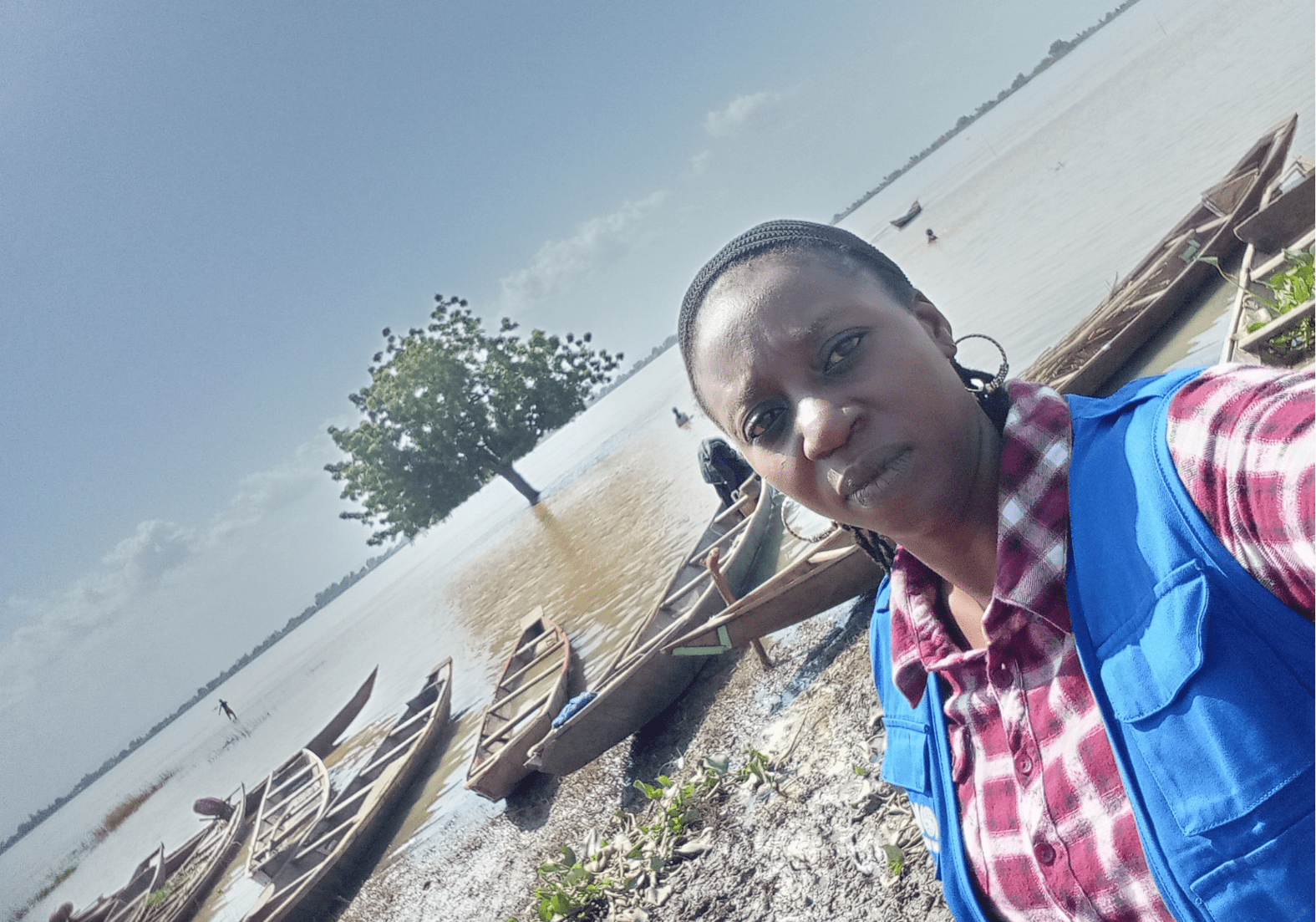
I love what I do. I have a passion to impact lives.
Ebuga’s role is critical to providing humanitarian aid effectively. Her job is to ensure that the lived experience of people on the ground informs the policies and actions of development and humanitarian organisations.
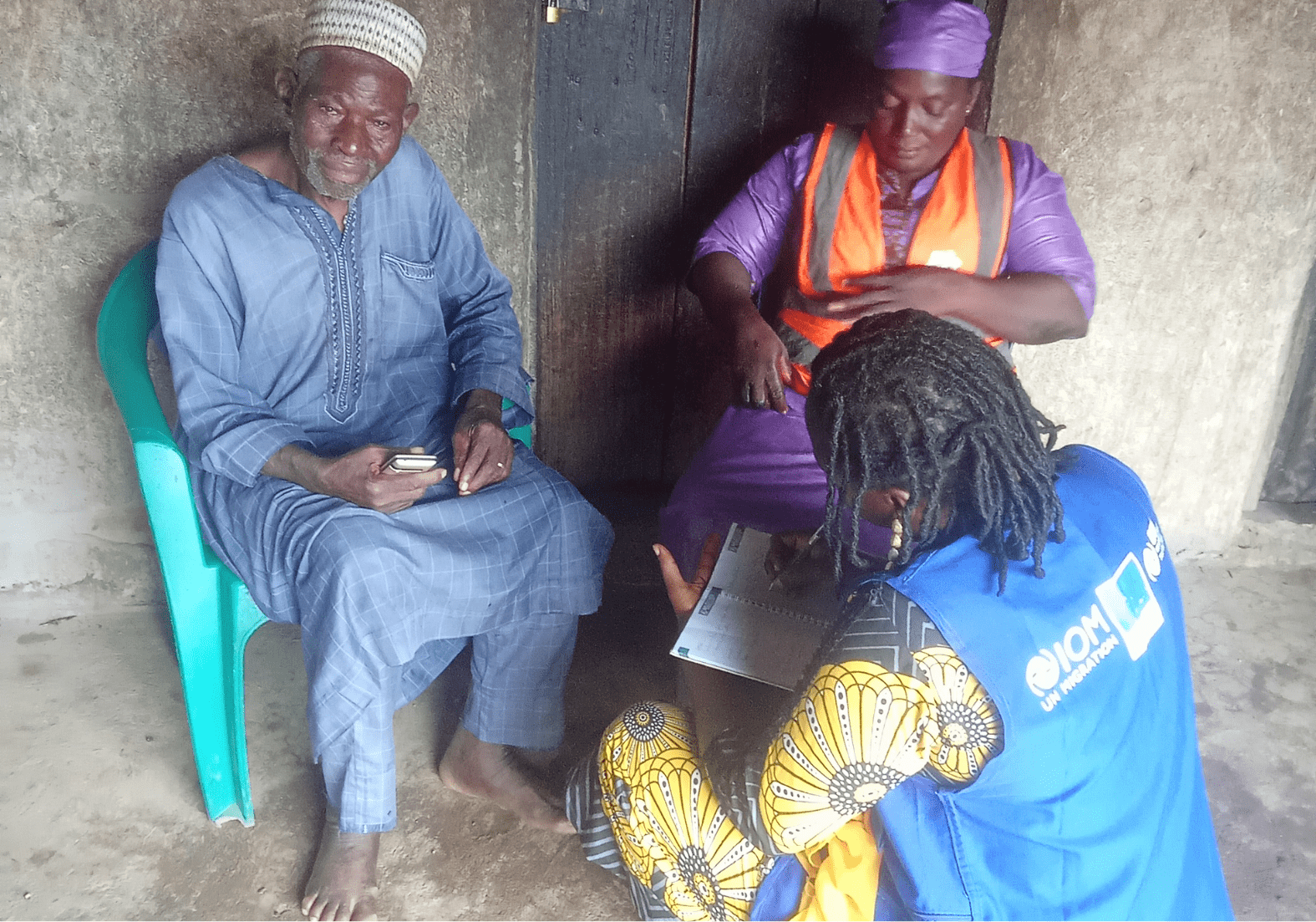
Day to day, she leads a team of data enumerators, engaging with local partners, stakeholders and community members. “I collect reports on the daily happenings around the communities within the state and inform my line managers about any [issues],” Ebuga explains.
Capturing the human stories behind the crisis
Without verified data, aid and support systems are operating blindly. For these systems, Ebuga and her team serve as eyes and ears, making sure that each community member’s needs are clearly communicated and addressed, and that aid is getting where it needs to go.
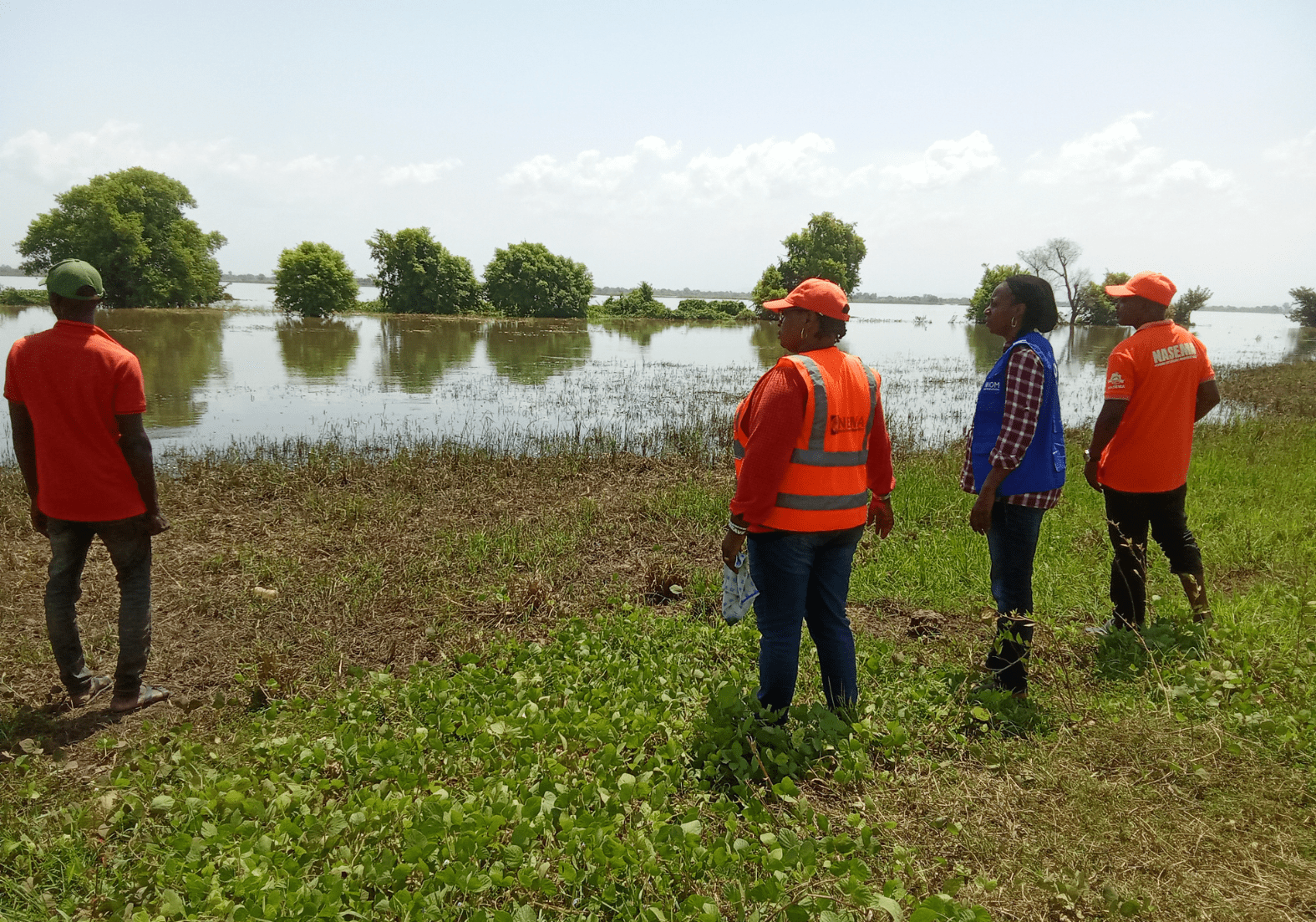
Ebuga’s job takes her to IDP camps, temporary shelters and remote communities across Nasarawa. To gain the insights she needs, she conducts face-to-face interviews, collects demographic data and uncovers specific vulnerabilities and concerns.
“Sometimes rewarding and exciting. Sometimes exhausting.”
While she knows she is making a real impact in people’s lives, reaching the people she serves can be extremely challenging.
“Some places have dangerous routes,” Ebuga says. “I find out what time is best for me to be in a particular place and also when to leave.”
Crumbling infrastructure is another obstacle: “Some roads are terrible and most times cannot be accessed by vehicles except motorcycles. To overcome this, I ensure I rest well before the journey, get a motorcyclist I can somewhat trust to convey me to and fro, and ensure I keep myself hydrated throughout the day.”
With no reliable transport networks, chartering a motorcycle is also the only way to guarantee she can leave the remote regions she works in when her day is done.
More than data point
Ebuga’s mission is driven by her commitment to the people in her community – and when tragedy strikes the people she helps, it can take a terrible toll on her.
One particular moment that has stuck with her occurred when she arrived at a village she had visited many times, only to find a crowd of people outside a home for IDPs. When she asked what was going on, they informed her that a teenage girl – the daughter of one of the IDPs – had taken her own life.
“This broke me down for a few days,” Ebuga says. “She was such a lively young girl.”
Despite the challenges, Ebuga takes great pride in her work. “It gives one an opportunity to keep learning and improving,” she says. “It helps one to impact lives positively.”
Read more stories from the field here.