Somalia Abdirazaq Sidali Mohamud
I am driven by the opportunity to use my skills to empower people, strengthen local systems and contribute to sustainable development – even in difficult environments.
“I grew up in Mogadishu, Somalia,” explains Field Support Engineer Abdirazaq.
“Living in a city that has faced many challenges but continues to rebuild inspired me to pursue a career in engineering. I wanted to be part of creating sustainable infrastructure that improves people’s daily lives.”
After earning a bachelor’s degree in civil engineering from the International University of Africa – and additional training in project delivery, BOQs (Bill of Quantities), and community-focused design – Abdirazaq built his early career managing WASH programmes with Liibaanta Foundation in Mogadishu. There, he oversaw donor-funded water and sanitation projects, coordinated proposals and reports, and managed partnerships to ensure programmes were delivered effectively and transparently.
Abdirazaq joined CTG in January 2024 in his current role as a Field Support Engineer. At the end of the year, he also started a master’s in engineering in construction management at Lincoln University College to expand his technical project management skills.
Engineering in action
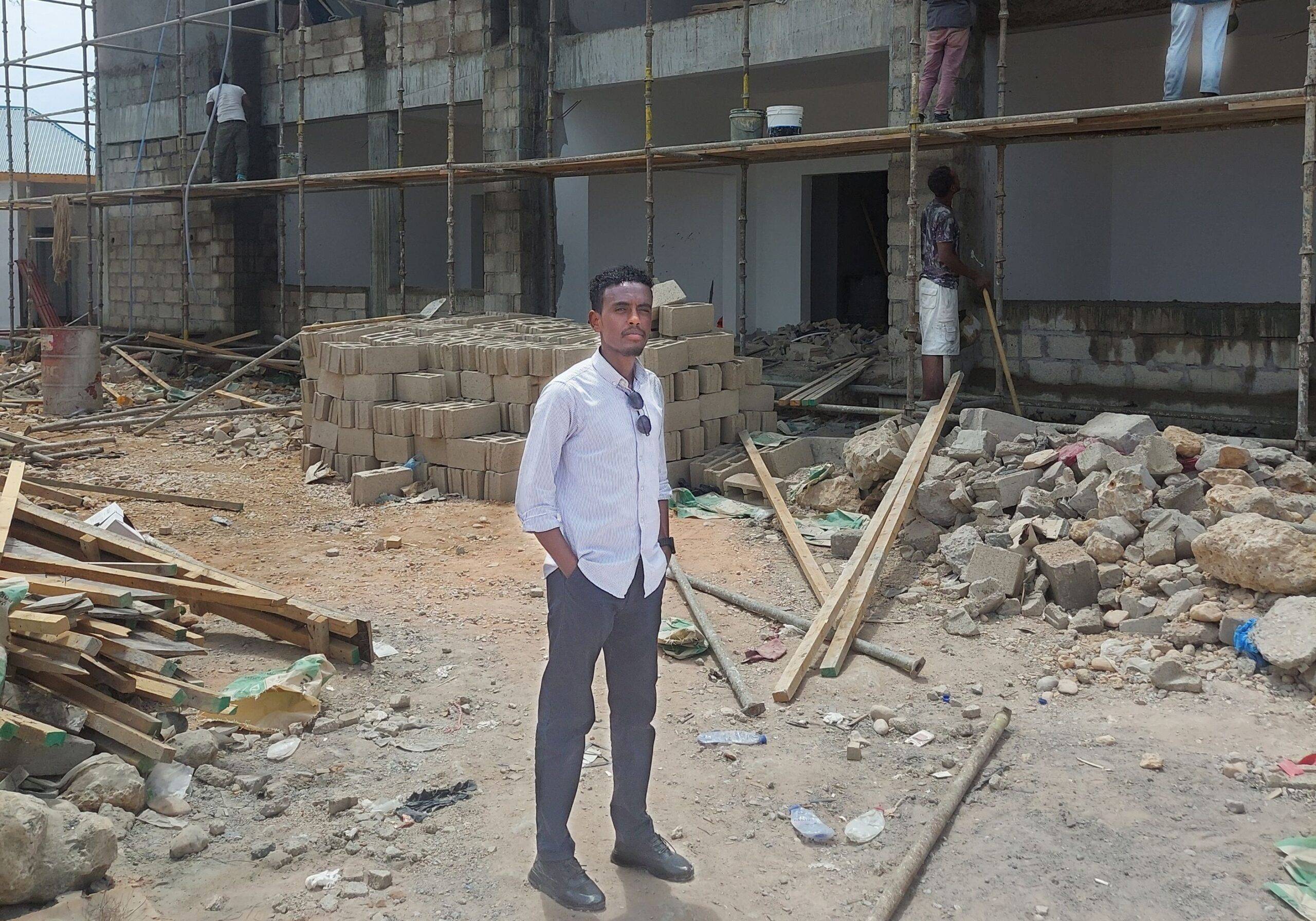
As a Field Support Engineer in Somalia’s Bari region, Abdirazaq’s work stretches from urban centres to remote districts. “My daily responsibilities involve supervising field works, coordinating with stakeholders, managing contracts and resources, ensuring technical and donor compliance, and providing guidance to teams to achieve project goals efficiently.”
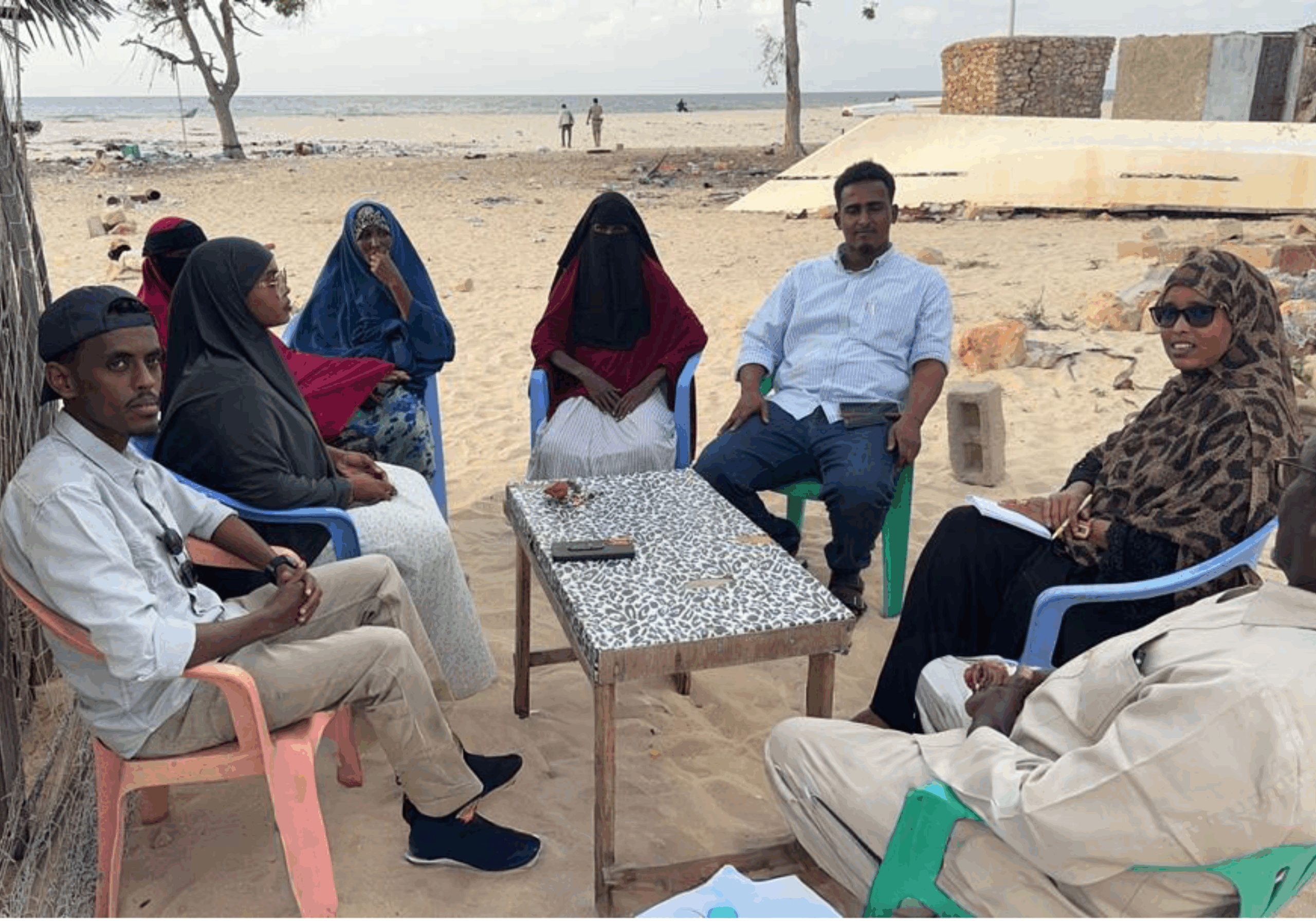
Every field visit brings a new rhythm. “A typical day in the field is dynamic and hands-on. I usually start by reviewing project plans and schedules, checking for any updates or issues from previous site visits. Then I travel to the construction sites – sometimes in remote districts like Bargaal or Allula – to coordinate teams.
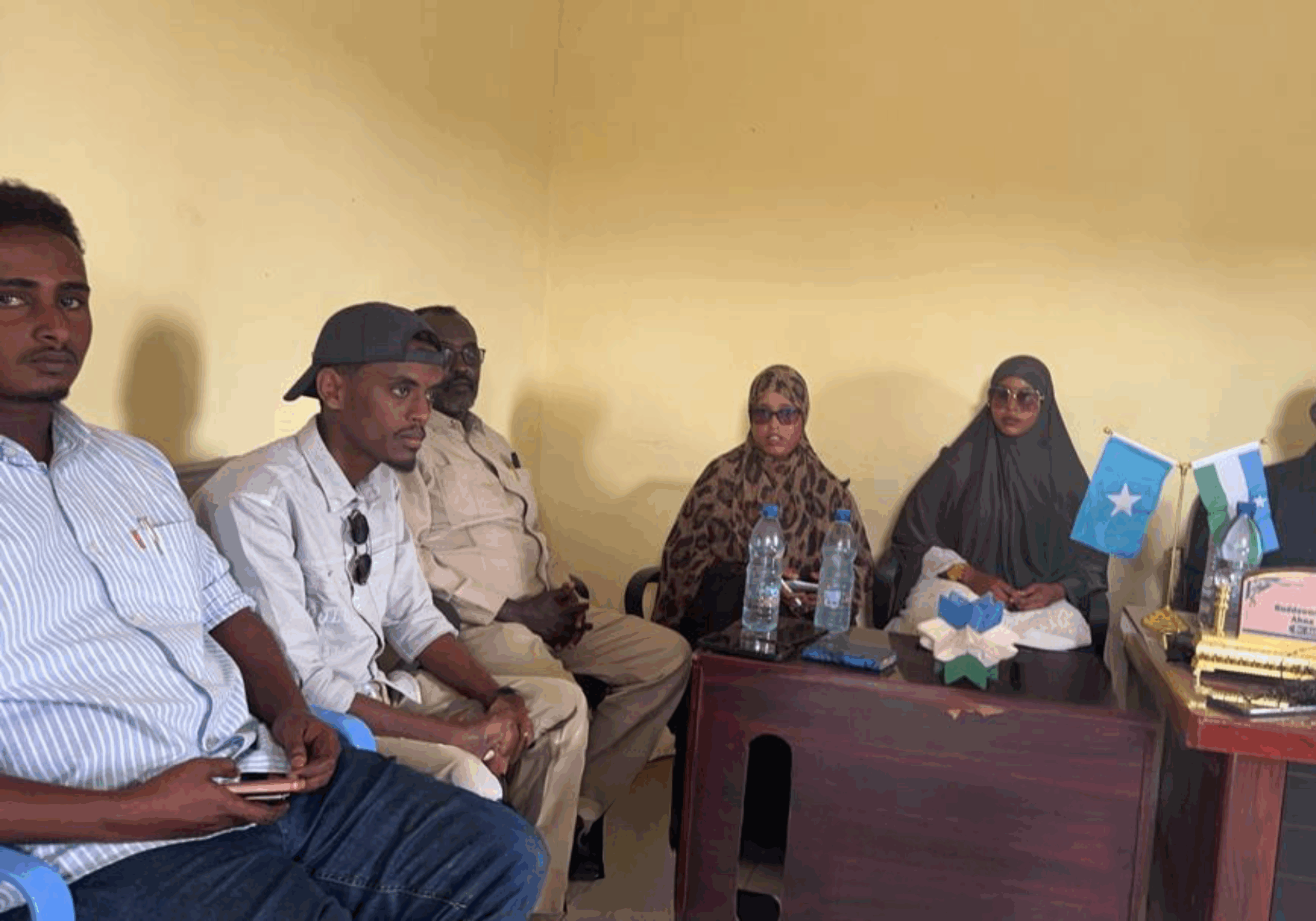
“Once on-site, I inspect ongoing works, supervise contractors, and ensure that the construction of fish dry racks, markets or community offices meets FAO quality standards and BOQ specifications. I also meet with local authorities and community representatives to address concerns and provide updates on progress.”
Working as a humanitarian
Working on remote sites, Abdirazaq faces various challenges managing tight deadlines and ensuring contractors meet donor standards. He overcomes these through careful planning, regular site supervision, clear communication with stakeholders and by providing technical guidance.
One defining moment came during a project on the Ministry of Fisheries offices in Bosaso, Somalia: “Seeing it fully operational and serving staff effectively, I realised that the work we had done was directly supporting people. That experience reinforced my commitment to humanitarian engineering and projects that empower communities. I joined the humanitarian sector to use my skills to improve livelihoods and resilience for vulnerable communities – inspired by my experiences growing up in Mogadishu.”
His own journey has shaped the grounded, practical guidance he now shares with aspiring humanitarians:
“My advice would be to combine strong technical skills with adaptability and cultural awareness. Humanitarian work often involves challenging environments, so being flexible, resilient and ready to solve problems on the ground is essential. Building strong communication and collaboration skills, understanding donor requirements, and always keeping the community’s needs at the center of your work will help you succeed and make a meaningful impact.”
Driven by impact
Abdirazaq’s motivation is rooted in results – the tangible improvements he witnesses across his home country.
“Despite the challenges, knowing that the infrastructure, programmes or services I help implement improve livelihoods, food security, and resilience keeps me committed. I am driven by the opportunity to use my skills to empower people, strengthen local systems, and contribute to sustainable development, even in difficult environments.”
Outside work, he continues to learn, explore, and stay connected to the people and environments that inspire him: “I like reading about new engineering technologies, sustainable development and humanitarian innovations. I also enjoy spending time outdoors, travelling, and engaging with communities, which helps me stay connected to the people and environments my work serves.”
Read more stories from the field here.