South Sudan Thomson Albino
You must have a kind heart to support vulnerability.
“I was born in Sudan but grew up in Uganda. After the war, my family fled there.”
For Thomson Albino, a healthcare worker in Juba, his childhood was the inspiration behind his humanitarian career.
His experiences fuelled his determination to complete his schooling, leading him to earn higher-level certificates, a diploma and eventually a bachelor of science degree in public health from Kampala International University. He completed his studies by qualifying as a Comprehensive Nurse and becoming a public health professional.
Before joining CTG, Thomson built a solid foundation in humanitarian work. In 2015, he acted as a WASH Hygiene Promotion Officer for a national NGO. From there, he became a Nutrition Project Supervisor for two years before spending four years with World Vision International as a CMAM Supervisor. Each role deepened his expertise in health and nutrition. In 2023, Thomson joined the CTG team for the first time.
Serving his own community in South Sudan
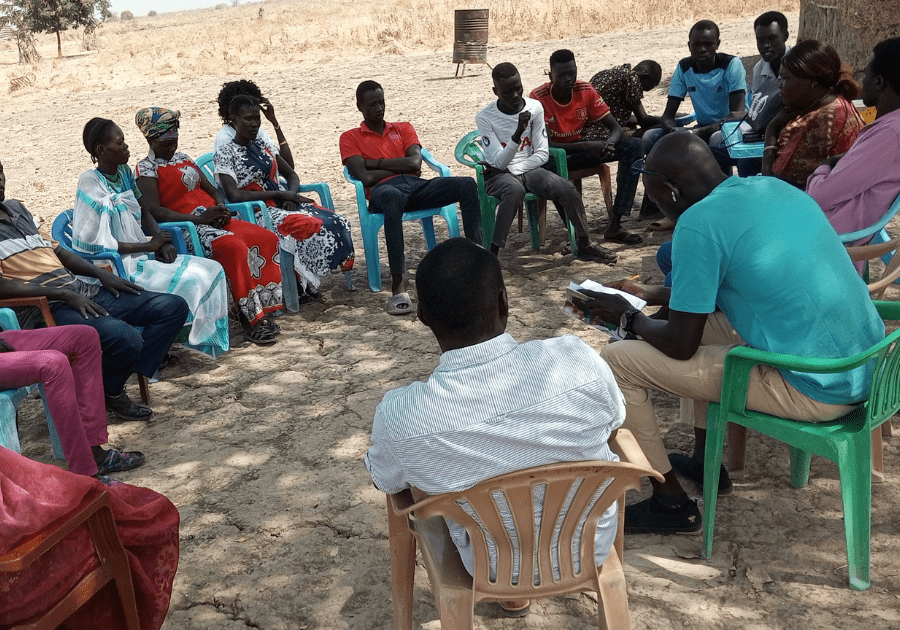
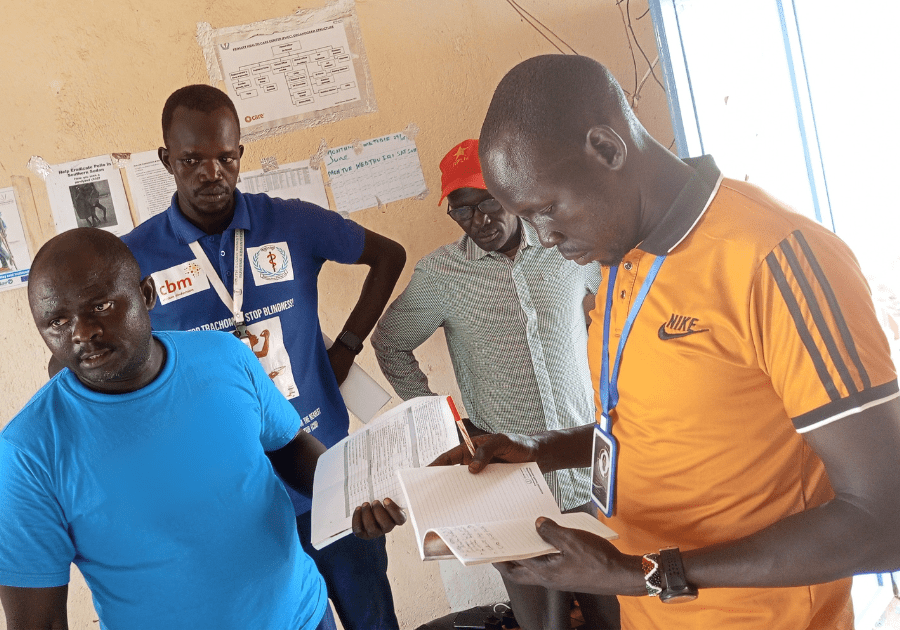
Now, working as a County Health Consultant back in his birthplace of South Sudan, Thomson’s days are filled with monitoring and supervision tasks, data management, capacity building, staff support and close collaboration with partners. His work often takes him into the field, where he said he finds the most meaning. “It’s so interesting because I’m in the team delivering services to my own community,” he says with pride.
But the work is not without its challenges. He explains that delayed incentives for staff and colleagues, unreliable internet connectivity, and the everyday hurdles of coordination can seriously complicate service delivery and his day-to-day responsibilities. Yet, Thomson has learned to push through, leaning on teamwork and strong community partnerships.
One of his proudest moments came when he was asked to represent UNICEF during a health programme coordination meeting. “It was a successful moment,” he says. “All the SMOH and CHD colleagues were impressed with my presentation on what we do and how they support Health and Nutrition services in the area.”
Finding balance in humanitarian work
Outside of work, Thomson balances his humanitarian mission with other passions. He enjoys visiting discharged patients with other health workers to see how they’re doing, continuing his learning through online certificates, reading novels and the Bible, walking, and playing football with local teams for both fitness and fun.
When asked what keeps him motivated, he answers simply: “Teamwork. Good partnerships. And one goal: to support vulnerability.”
And for those hoping to follow in his footsteps, Thomson offers this advice: “Every step or level you jump in education will take you nearer to humanitarian groups. You must have a kind heart to support vulnerability.”
Read more stories from the field here.