


When you’re working in high-risk and conflict affected areas, Duty of Care means making life-or-death decisions. There are no guarantees, but the surest way to tip the scales toward safe, is to leverage local insights.
Many organisations treat Duty of Care as a compliance checkbox. They write a set of SOPs, create training and maintain audit-friendly policies. They gather reports, alerts and incident data. But information is not equal to understanding and without understanding, decisions are grounded in HQ assumptions rather than on-the-ground reality.
At CTG, we’ve seen firsthand how local insights can shape Duty of Care, turning one-size-fits-all models into context-specific responses that help people make better decisions in complex environments.
We sat down with our Global Risk Director, Rania Guindy, to unpack why localisation is central to the way we protect our people around the world.
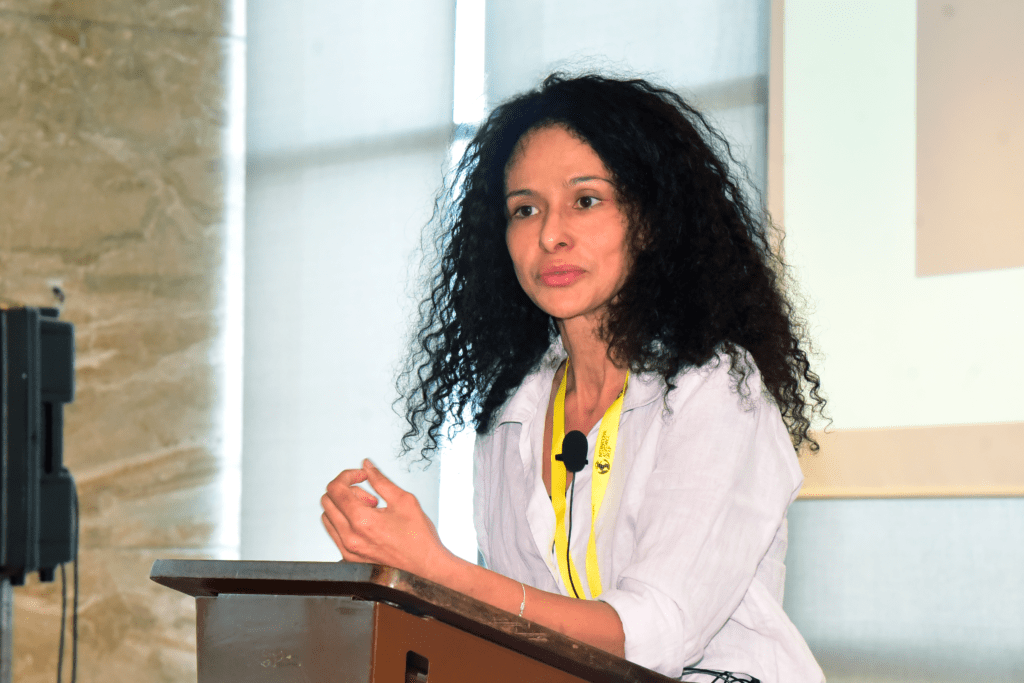
After 15 years of fieldwork, CTG’s Global Risk Director Rania Guindy knows how critical local insights are to effective Duty of Care.
Why local input is critical for effective Duty of Care
Crisis is defined by danger and uncertainty. It’s what happens when things don’t go to plan. Add people into the mix, and you have thousands of variables impacting a situation minute by minute.
Standard operating procedures (SOPs) are built to plan for crises or dangerous events, but they are still only a plan. They are based on scenarios and assumptions, what-ifs and likelihoods. They create a sense of safety, but are seldom enough when the unpredictable happens. To account for that, Rania insists, a risk team must understand the environment in which SOPs are being applied.
“It’s really about understanding how people actually behave under stressful conditions,” Rania explains. “What actually makes a difference is the habits that people have and their awareness of the situations around them.”
Rania’s 15 years of field experience in complex and high risk settings have taught her that Duty of Care without a strong local influence is in complete. That’s why she shapes CTG’s risk frameworks and Duty of Care policies to work with direct local input.
Generic Duty of Care protocols ignore local nuances
Depending on the context, the same situation can mean completely different things.
A roadblock in South Sudan could be a standard military checkpoint, or it could signal an impending flare of violence. A sudden drop in network connectivity in Somalia could be a routine outage or the coordinated actions of an armed group. An empty marketplace in Afghanistan could mean a community meeting is happening, or that locals received a tip-off about an imminent attack.
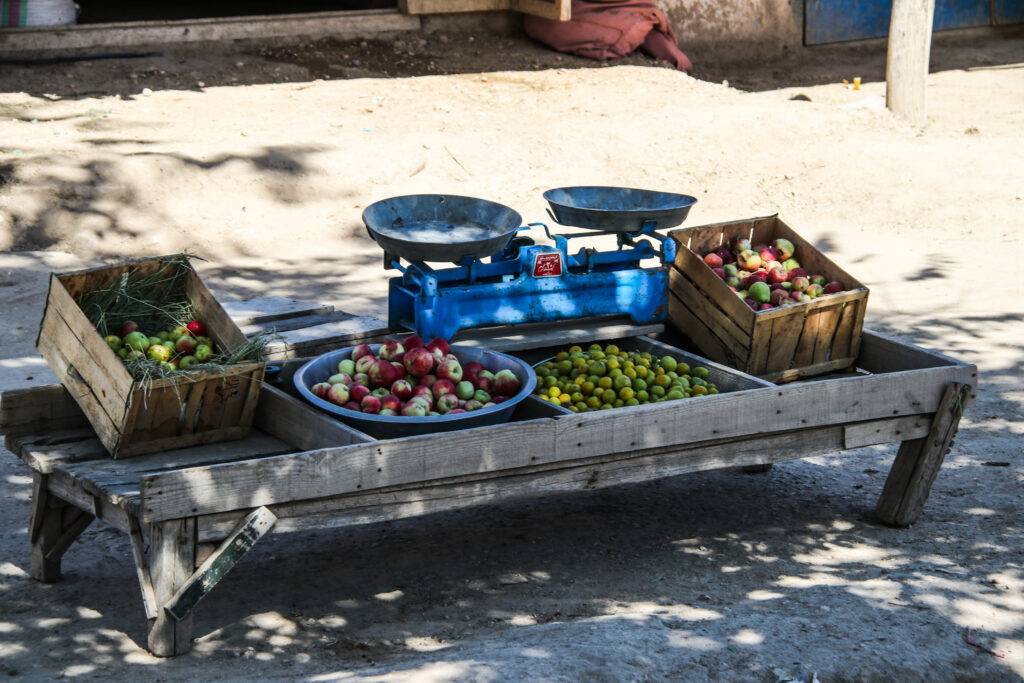
An empty market could just mean it’s a quiet day. Or, it could mean locals know it’s not the day to go out.
Risk is not objective. It is calculated and assessed through relationships, history, legitimacy, perception and behaviour. Without that local understanding of these factors, it’s easy to read the situation incorrectly – with potentially disastrous results.
Remote risk analysis can cause critical delays
If your Duty of Care team is removed from the realities on the ground, they’re relying on second-hand data. By the time security updates reach remote teams, they’re already playing catch-up. As Rania puts it: “Good Duty of Care starts long before an incident occurs. If we’re reactive, it’s a little bit too late.”
And when emergencies deviate from established SOPs, these delays can leave fieldworkers without a roadmap to safety.
Top-down risk assessments can miss ground-level realities
“The biggest risks rarely emerge from what organisations do not know,” says Rania. “They emerge from what organisations think they know.”
Organisations rely on reporting, but reports seldom capture the nuances of context. It’s local colleagues who can spot a change before it registers on a risk report. They know when there’s a shift in community sentiment, a change in behaviour at checkpoints, or a subtle difference in how authorities respond to everyday processes. The critical difference is that they understand the relationships and behaviours that determine whether a situation remains manageable, or escalates into crisis.
Equally important is their ability to confirm truth versus noise. “Between social media, the news and alarmist reactions, it can be difficult to filter out the noise and really look at what the immediate threats are,” says Rania. Remote teams can struggle to filter out misinformation and exaggeration, but teams in the field know exactly what’s happening and how it can affect them.
Through our consultants, we can narrow our focus on the exact issues affecting our staff and how we can help them in the moment. They help us understand exactly what’s happening – and what we can do about it.
The CTG solutions: localisation as the foundation of effective, informed Duty of Care
Localisation is hardwired into CTG’s operations at every level. Wherever we’re working, we source local talent, create dialogues with communities and liaise directly with authorities.
For Rania and her team, this is the backbone of CTG’s Duty of Care approach. Local insights enable them to transform SOPs from rigid, static documents into dynamic, actionable strategies.
“With local colleagues, we have access to context that simply can’t be gathered remotely. That’s CTG’s advantage – we understand the environment, we speak to the right people, and we adapt our risk posture in real time.”
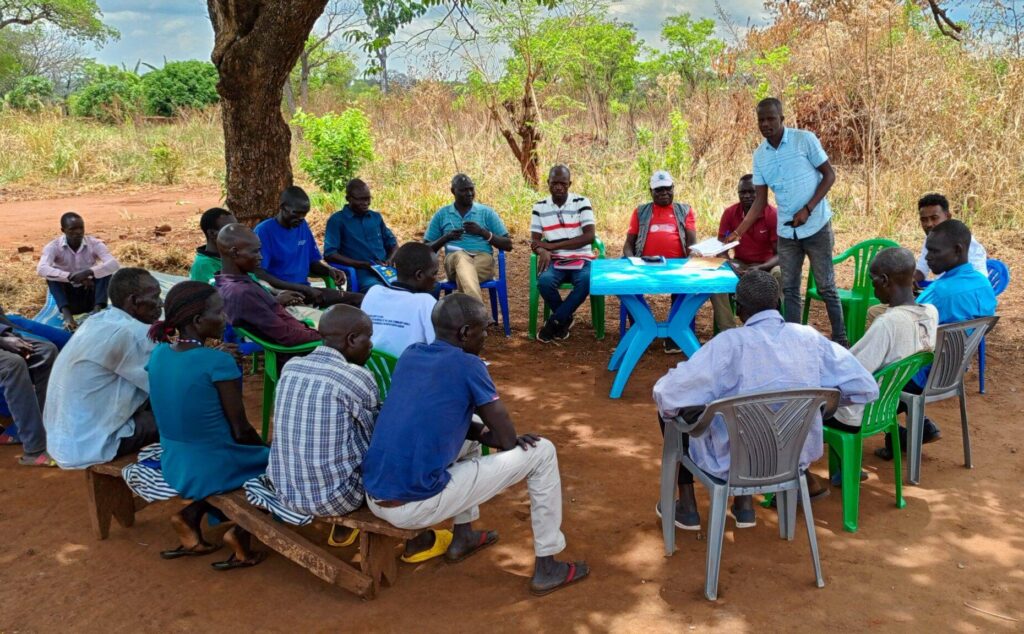
By prioritising local talent and engaging directly with the communities where we work, CTG constantly shapes its Duty of Care strategies based on real-time insights.
Building micro-level threat assessments on local insights
Rania prioritises a comprehensive understanding of the challenges our people face in the field. Her team conducts granular threat assessments that aren’t just country- or region-specific, but drill down to the actual areas our staff visit and the communities they interact with.
In CTG’s Duty of Care model, information isn’t a one-way street. While Rania’s team conducts assessments of their own, on-site staff tell them what’s happening in the field. This enables the team to see the whole picture, so they can effectively mitigate risk for all CTG staff.
As field teams report real-time changes, Rania and her team can update risk profiles and security protocols, guiding field staff to help them reach or maintain safety.
“I always include consultants in the understanding of the environment,” she says. “As much as we feed information into them, they feed information back to us.”
Aligning training with on-the-ground realities
This local expertise shapes how Rania’s team prepares all our consultants. By leveraging the deep, on-the-ground insights of our local staff, the team can tailor comprehensive risk assessments, scenario-based training and context-specific guidelines. After all, you may know there’s a risk, but you may not know how best to react to it.
CTG’s trainings are designed to instil safe behaviours for both international consultants and locals alike, ensuring all our people are equipped with the understanding and skills needed to navigate challenges safely and effectively.
Whether it’s cultural sensitivities, security threats or logistical hurdles, this approach ensures that no-one is ever operating in the dark.
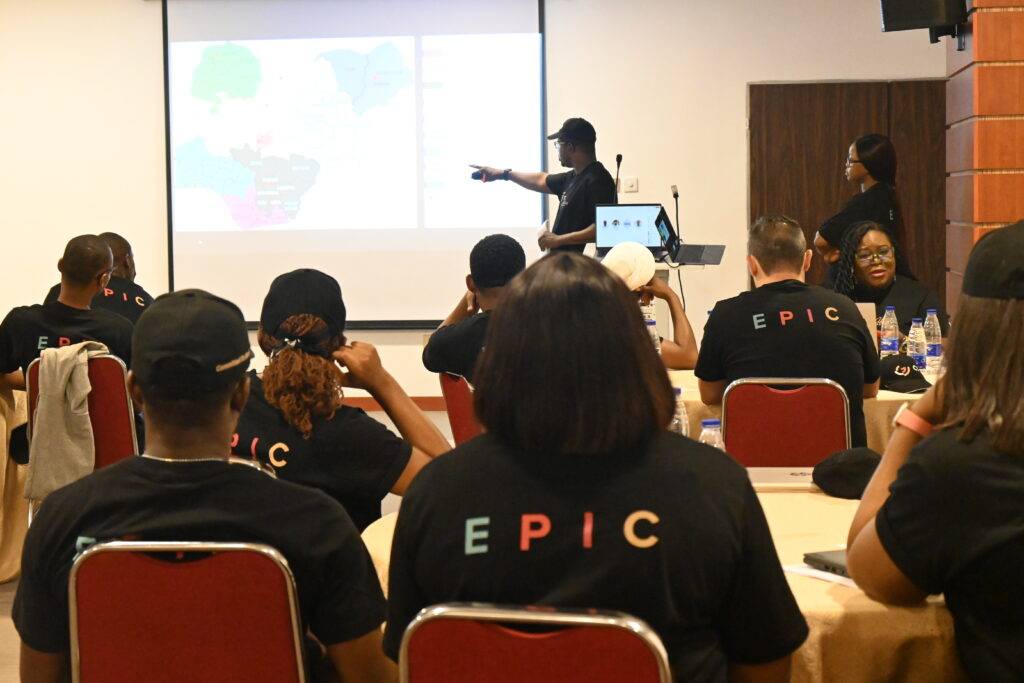
Incorporating local knowledge and cultural understanding into our training enables our Global Risk Team to prepare our people for the realities on the ground.
Redefining Duty of Care in high-risk environments
Across all our contracts, CTG mitigates risk for our clients by taking on the full Duty of Care ourselves. While some might see this as a liability, Rania views it as an opportunity to control and deliver the highest level of care for all our people.
“When CTG takes ownership of Duty of Care, we can build the systems, relationships, understanding and decision-making frameworks needed to fulfil it properly,” she says. “We see Duty of Care as an obligation to our people. It lives in the decisions we make every day before something goes wrong.”
By combining our values-driven commitment to Duty of Care with a local-first approach, CTG can truly understand and respond to the realities our people face every day. That’s how we continually raise the standard of what responsible and effective care looks like in the world’s most challenging environments – for our people and our clients.